
Dr. Michael Shahbazian, MD Is A Board Certified Pain Management Doctor
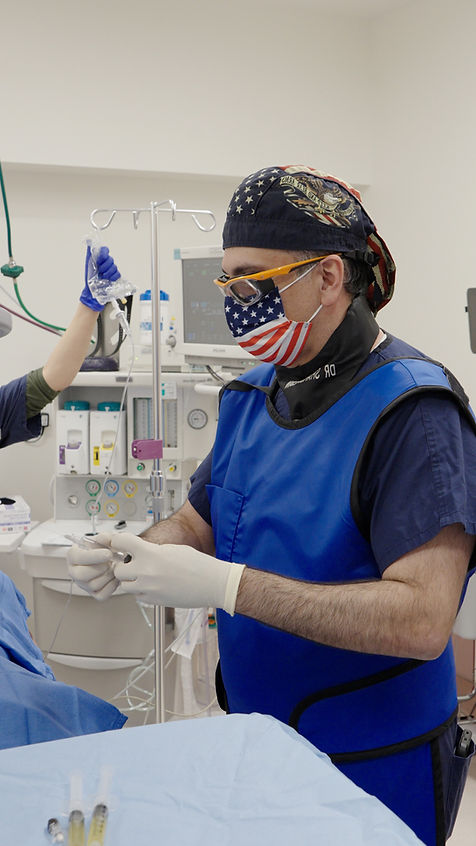
Dr. Michael Shahbazian, also known as Dr. Mike, is a board-certified, fellowship-trained pain management physician dedicated to helping patients understand the source of their pain and explore appropriate non-surgical treatment options.
Each care plan is built around a thorough clinical evaluation, imaging review when necessary, and shared decision-making focused on improving function and quality of life. Our goal is to help patients reduce chronic pain, improve mobility, and return to meaningful daily activities through individualized, physician-directed care that may include interventional procedures, regenerative therapies, and medications when clinically appropriate.
Treatment recommendations are individualized based on examination findings and diagnostic results.
Comprehensive Pain Management Solutions Tailored to Your Unique Needs
At OC Regenerative and Pain Center, we specialize in personalized pain management strategies. Our dedicated team is here to help you regain control of your life.
PAIN ASSESSMENT
Thorough evaluations to identify the root cause of your pain.
TREATMENT PLANS
Customized approaches designed to alleviate your discomfort and improve your quality of life.
OPIOID PRESCRIBING POLICY
Patients receiving opioid-based treatments are required to review our clinic’s guidelines, which can be found in our
Interventional & Regenerative Pain Management in Newport Beach and Orange County
OC Regenerative & Pain Center provides board-certified interventional pain management and regenerative therapies for complex spine and joint conditions in Newport Beach and Orange County. Treatment plans are individualized and based on clinical evaluation and current medical standards.
Comprehensive evaluation and physician-directed treatment for complex spine and joint conditions. Each patient undergoes a structured assessment to determine the most appropriate evidence-based treatment plan based on current medical standards.
*Treatment recommendations are individualized and based on clinical evaluation and current medical standards. Regenerative procedures are offered within appropriate regulatory guidelines and are not guaranteed to cure underlying disease. All procedures carry risks and benefits which are discussed during consultation.

Chronic Pain Conditions We Treat
We evaluate and treat a wide range of spine, joint, and nerve-related pain conditions using physician-directed, evidence-based care. Our goal is to identify the cause of your symptoms and discuss appropriate treatment options tailored to your condition, functional goals, and overall health.
If you are suffering from chronic pain in your joints, non-surgical regenerative treatments can provide relief and help restore function. Give us a call today.
Back and Neck Pain
-
Back and neck pain may result from disc pathology, muscular strain, degenerative changes, facet joint irritation, or other spine-related conditions.
-
A comprehensive evaluation allows us to determine the likely pain generator and discuss appropriate next steps.
-
Treatment options may include image-guided procedures, rehabilitation strategies, activity modification, and medication management when clinically appropriate.
-
Treatment plans are individualized. Outcomes vary by patient and diagnosis.
Sciatica and Nerve Pain
-
Radiating pain, numbness, tingling, or burning sensations in the arms or legs may be caused by nerve irritation or compression.
-
Evaluation focuses on identifying the source of nerve involvement through clinical examination and imaging review when appropriate.
-
Treatment options may include diagnostic injections, interventional procedures, or other evidence-based therapies depending on findings.
-
Individual responses vary.
Joint Pain
(Shoulder, Hip, Knee)
-
Joint pain from arthritis, injury, tendon disorders, or degenerative conditions can limit mobility and daily activities.
-
We offer image-guided joint injections and regenerative procedures for appropriately selected patients within current medical and regulatory guidelines.
-
Treatment options may include anti-inflammatory injections, Platelet-Rich Plasma (PRP), or autologous cellular therapies such as bone marrow aspirate concentrate (BMAC) or microfragmented adipose tissue (MFAT), depending on clinical findings.
-
Regenerative therapies aim to support the body’s biologic response in select patients.
-
PRP and cellular therapies are investigational for many orthopedic applications. Results vary.
Regenerate.
Don’t Medicate.
Our approach prioritizes regenerative and interventional strategies when clinically appropriate, while recognizing that medication may still be necessary as part of a comprehensive treatment plan.
*Medical information on this website is for educational purposes only and does not constitute medical advice. Use of this website does not establish a physician–patient relationship. In an emergency, call 911.
